The Psychology Behind Queue Fatigue at Bars
The line is moving, technically. It just doesn’t feel like it.
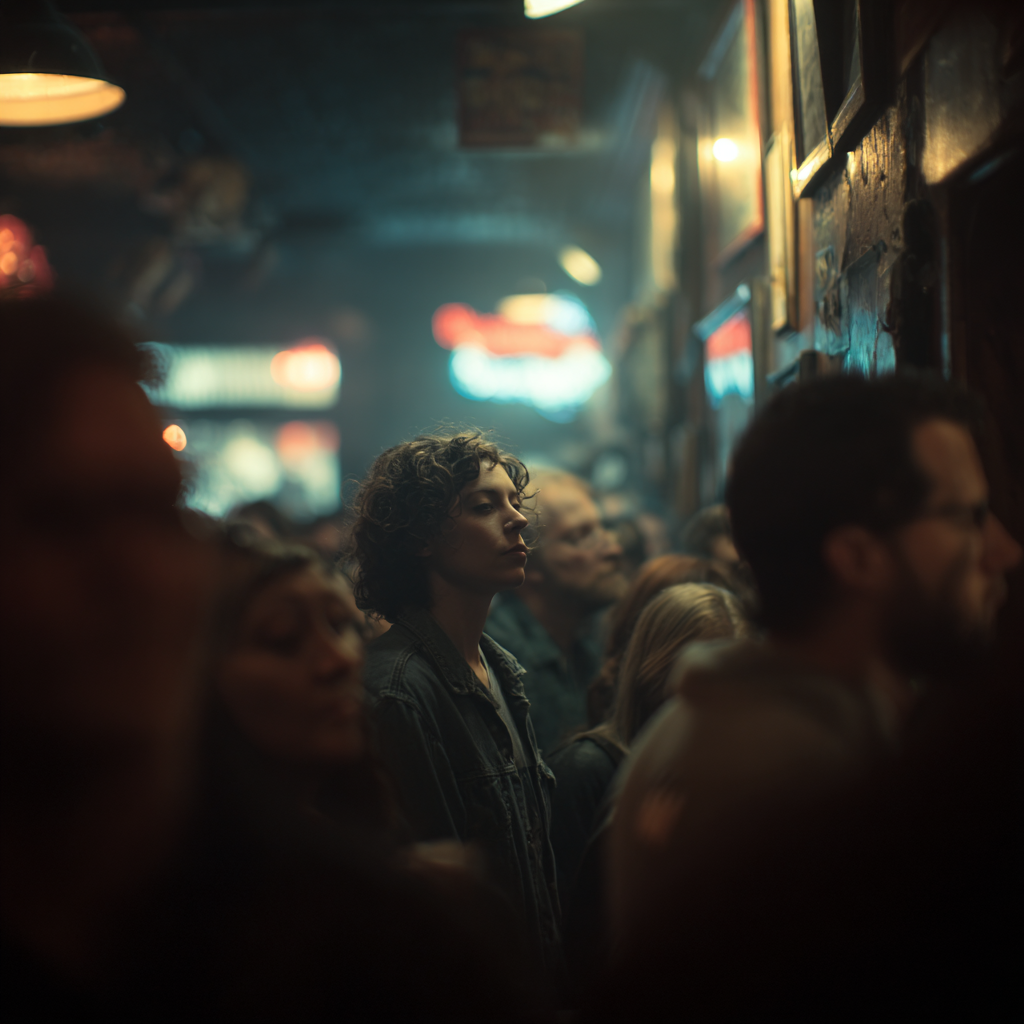
Why Waiting at Bars Feels Worse Than Almost Anywhere Else
Most people can tolerate waiting. They wait at airports, doctor’s offices, amusement parks, and coffee shops with relatively little emotional fallout. Yet put the same person in a crowded bar, standing three deep, and ten minutes can feel unbearable.
Queue fatigue at bars is not simply about time. It is about context, uncertainty, and psychology colliding in the worst possible environment for patience.
Bars combine noise, alcohol, social pressure, competition for attention, and the absence of visible order. That combination makes waiting uniquely draining, even when the actual delay is short.
Understanding why queue fatigue happens explains not only why patrons get frustrated, but why it quietly suppresses revenue, tips, and repeat visits.
The Brain Hates Ambiguous Order
Human beings are surprisingly tolerant of waiting when order is clear. Structured queues reduce anxiety because they answer three subconscious questions immediately: Where am I? Who is ahead of me? What happens next?
Bar queues answer none of these.
In a standing crowd, service order is opaque. The patron has no reliable way to tell whether they are next, close, or effectively invisible. Every bartender interaction nearby feels like a potential injustice. Each drink served to someone else is interpreted as lost progress.
Psychologically, this triggers what behavioral scientists describe as uncertainty stress. The brain expends energy monitoring the environment for signs of fairness or movement. That vigilance is exhausting.
In a seated restaurant, the queue exists but is hidden. In a bar, it is lived moment by moment.
Perceived Injustice Accelerates Fatigue
Queue fatigue escalates rapidly when people believe the system is unfair.
Bars unintentionally reward behaviors that feel socially aggressive: shouting, waving cash, leaning over others, or positioning physically closer to the bartender. Patrons who wait patiently often feel punished for politeness.
This violates a deeply ingrained social expectation that fairness should correlate with arrival order or effort. When that expectation is broken repeatedly, frustration compounds.
What matters is not whether the system is truly unfair, but whether it appears unfair. Perception drives emotion.
Once a patron believes the system is rigged, every additional second feels heavier.
Alcohol Changes Time Perception
Alcohol subtly distorts how time is experienced. Moderate intoxication narrows attention and reduces tolerance for frustration. People become more focused on immediate rewards and less capable of regulating irritation.
At the same time, alcohol heightens social awareness. Patrons are more conscious of being ignored, overlooked, or displaced by others.
This combination shortens the psychological fuse. What might be a mild annoyance earlier in the day becomes a reason to disengage entirely later at night.
Importantly, this does not mean intoxicated patrons are irrational. It means the environment is misaligned with the cognitive state bars themselves encourage.
Standing Multiplies Physical Fatigue
Unlike many queues, bar lines are endured standing, often in cramped conditions, with limited personal space and constant jostling.
Physical discomfort amplifies psychological strain. As legs tire and posture tightens, patience erodes faster. Small irritations escalate because the body is already under stress.
This is one reason queue fatigue accelerates sharply after the first drink rather than before it. The body is working harder while cognitive tolerance is declining.
The longer someone stands without progress, the more their brain seeks relief by abandoning the task entirely.
Social Comparison Makes It Worse
Bar queues are not private experiences. They are public performances.
Every nearby interaction invites comparison. Why did that person get served first? Why is that group laughing with the bartender? Why am I still waiting?
Social comparison is emotionally expensive. It turns waiting into a referendum on status, visibility, and belonging.
In crowded nightlife environments, people are already attuned to social cues. Queue fatigue piggybacks on that sensitivity, transforming a logistical delay into a personal slight.
Queue Fatigue Suppresses Spending Long Before People Leave
One of the least understood effects of queue fatigue is that it changes behavior before abandonment occurs.
Patrons experiencing prolonged waiting often preemptively limit their orders. Instead of ordering another round later, they consolidate into a single drink. Instead of exploring a cocktail menu, they default to something quick. Instead of staying longer, they begin planning their exit.
From the outside, the bar appears busy and successful. Internally, revenue potential is leaking away in small, invisible decisions.
Queue fatigue does not just cause walkouts. It quietly reduces demand.
Why Faster Is Not Enough
Many operators attempt to solve queue fatigue by increasing speed alone. More staff, faster pours, quicker payment handling.
Speed helps, but it does not address the core psychological problem.
As long as order remains ambiguous, patrons will continue to experience uncertainty stress. As long as fairness remains unclear, perceived injustice will persist.
What people crave is not simply faster service, but legible service. They want to know where they stand and what to expect.
Making the Queue Disappear Psychologically
The most effective solutions to queue fatigue do not eliminate waiting entirely. They eliminate the sensation of waiting.
Systems that externalize order, clarify position, or allow patrons to initiate action without competing for attention dramatically reduce cognitive load. The brain relaxes once it no longer has to monitor the crowd.
In high-volume bar environments, this shift changes everything. Patrons stop scanning. Bartenders stop managing social friction. Energy returns to the experience rather than the process.
This is why newer approaches to bar service, including digital ordering systems purpose-built for standing crowds, are gaining traction. When ordering and payment occur asynchronously, the queue ceases to be a social battleground.
The Deeper Insight Bars Often Miss
Queue fatigue is not a flaw in customers. It is a predictable response to an environment that overloads attention, removes agency, and obscures fairness.
Bars that view long waits as proof of popularity miss the downstream effects. Popularity without flow creates exhaustion, not loyalty.
The most successful nightlife venues are not those that look the busiest, but those that feel the easiest.
What Queue Fatigue Is Really Telling Us
When patrons abandon a bar or stop ordering, they are not reacting to time alone. They are reacting to uncertainty, effort, and emotional friction.
Reducing queue fatigue is not about indulgence. It is about alignment between human psychology and service design.
As bars continue to compete on experience rather than novelty, the ability to remove invisible strain will quietly separate the venues people tolerate from the venues they prefer.
And once a patron experiences a bar where ordering feels effortless, returning to the old way becomes harder than most operators expect.